The mission of PTA’s everywhere is to make every child’s potential a reality by engaging and empowering families and communities to advocate for all children. In accordance with PTA position statements as outlined below, ACCPTA’s goal is to ensure the health and safety of all children is highest priority in decisions related to reopening schools. With that in mind, we have the following requests for the Alachua County School District with regards to the draft school reopening plan:
- Publish a list of members of the task force/working groups who created the draft plan. Include all stakeholders (parents, guardians, teachers, administrators, students, other school staff, local medical authorities) in decisions regarding the final plan. Ensure buy-in for the plan from all concerned community entities (Alachua County Department of Public Health, local pediatricians, UF Health, County Commissioners, Greater Gainesville Chamber, and other entities that will be impacted directly or indirectly).
- To facilitate and encourage informed decision-making, provide the full details of the final plan to teachers and families before requesting individual decisions regarding participation. Work with local PTA units to host school-based virtual meetings open to all families and school staff to gather feedback and answer questions about re-opening plans. Work with ACCPTA to host a district-wide virtual information session regarding remote learning options.
- Work with the Alachua County Department of Public Health to conduct school-level health and safety assessments to inform decisions about how to minimize contact. Conduct regular check-ins throughout the year to ensure safety measures are being followed.
- Provide school administrators with specific guidance regarding how to implement aspects of the plan. Create a uniform system of education about safety precautions (i.e. hand washing) to ensure consistency and equality, especially with vulnerable student populations.
- Ensure equitable distribution of resources needed to implement the plan, including PPE, school meals, technology and WiFi access.
- Consider a delayed school start date to provide more time for teacher preparation and fully informed family decisions.
- Create a centralized, easily accessible resource at the district level to provide real-time information regarding current spread level, school-level updates, and other important details to streamline communication to families and school staff. Include navigation about ownership of each area and decision within the plan. Include a timeline for when decisions will be made and when information will be provided. This comprehensive resource will make it easier for parents to find information and avoid multiple requests to teachers and principals.
- Provide more detailed information and specific examples about how contact tracing will work in case of a diagnosis, who will be impacted (how a contact will be defined), how long they will be quarantined, how this will be communicated to families, and how instruction will continue.
- Provide information about how community spread levels will be determined and by whom, and how that will be communicated. Include details about how instruction will continue in the event of a full school closure should spread levels increase.
- Ensure continuity and quality of instruction as much as possible through every step of the plan. Clearly define and communicate the plan in advance, including how advance preparation will take place (teacher training, technology resource distribution, access to instructional materials, WiFi access, etc.).
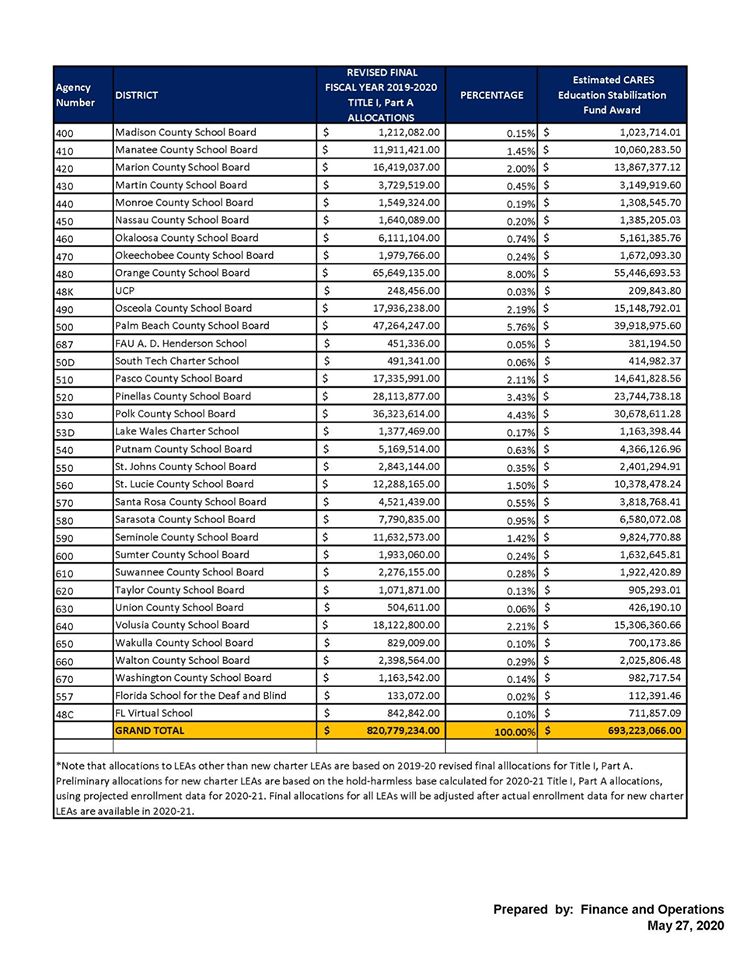
- Provide detailed information about how funding will be allocated and if existing district funds will be used for any aspects of the plan.
Summary of frequently asked questions within the PTA community
Communications and decision-making
- What is the composition of the task force/group that put together the draft plan? What process was used to put the plan together? Who will make decisions about the final plan?
- How are the community spread levels defined, and by whom? How will information about those levels and associated changes be communicated to families and school staff?
- How will general information about the plan and changes be communicated with families? Will this be on a per-school basis, or will there be a more centralized and frequent district-wide communication stream?
- What is the schedule to inform parents of the final plan? When will parents be asked for a decision? Will they be able to change their minds?
Health and safety
- Will the current school ventilation systems be inspected and assessed according to CDC standards? If improvements are needed, how will they be funded and what can we do to ensure that these changes are made in a timely fashion?
- Will masks be mandatory? What are the consequences of not wearing one? Will the consequences be consistent from school to school or teacher to teacher?
- What is the protocol if someone in the school is diagnosed with COVID? How will contact tracing be conducted? How is a “contact” defined? Who will have to quarantine, and for how long? How will instruction continue during that time? Will siblings be included in the quarantine, classmates of siblings, fellow bus riders, specials teachers, and others who came in contact with the student?
- If the community spread increases and schools are closed, how will that be determined and communicated? How will learning continue during that time? Have teachers been trained to do this? Will laptops be provided to households who need them in advance, so they will be ready if/when this happens?
- How will mental health and student behavior be impacted by removing recess?
- How many children will be in the classroom at a time? Will there be smaller class sizes? How will that be funded?
- Will there be more custodial staff hired to increase the daily cleaning? How will this be funded?
- What will the health screening look like, and who will be doing it? What processes will be put in place to ensure that sick children are not being sent to school?
- How will protocol be enforced among kids (hand washing, masks, etc.)?
- Does the county have the capacity to do the testing that is needed as part of the plan?
- How will spaced seating be accommodated on school buses? Does the district have enough buses to provide proper social distancing?
- How will schedules work to avoid close contact during lunch?
Teachers and school staff
- Many teachers are concerned about returning to school because of the increased exposure and the likelihood of children not following procedures. Will this exacerbate the existing teacher shortage, leading to lower educational quality for children? How will these vacancies be filled? Will more substitute teachers be needed? How will they be trained?
- Which teachers will be participating in digital teaching, and which ones will teach in person? How will these decisions be made?
- What kind of precautions will be made for teachers’ safety? How will instruction be impacted should a teacher fall ill and be forced to quarantine?
- Who should a staff member report to if they feel as though they have been asked to do a responsibility that they aren’t comfortable with or it is outside their job description?
- How will the scope and sequence of teacher evaluations be tweaked to reflect adjustments to teaching that must take place as a result of the plan?
- What additional training is being provided to teachers before the start of the school year and throughout the year as it relates to COVID, safety procedures, mindfulness, etc.?
Quality of instruction
- How will children continue to have access to high quality arts and media instruction if those teachers are traveling and do not have enough supplies for every child? How will supplies in these areas be sanitized? How will children sing in music when choral singing has been identified as one of the biggest ways the virus is spread?
- Will frequent stops and starts to instruction (based on individual quarantined and possible increased community spread) impact learning?
Other
- What will policies be regarding volunteers on campus? Will those be district-wide or per school? How will this impact the work of PTA?
- Will additional mental health counselors/staff be provided at each school to assist with helping students cope and addressing discipline issues? Schools must be prepared to identify indicators, such as symptoms of trauma, learning loss and/or retention and have the requisite funding and community partnerships to effectively support the student and their family as reopening occurs. How will this be implemented?
- Will schools have staggered start times or scheduling blocks?
- Does the district have the budget to supply schools with enough PPE and cleaning supplies? If not, will PTA’s or other school-based parent groups be asked to purchase these types of items? If so, how will schools without a parent groups have equal access to resources?
- How will families without as much access to resources be assisted in the event of an unexpected quarantine or full school closure (families without technology or internet, ESE kids, families who are not able to adjust work schedules on a moment’s notice?)
- How will the Digital Academy work? Will a hybrid option be available?
- Will there be different plans based on school level?
- How will hallway transitions be managed for middle and high school?
- Will school meals be provided to families in need who select one of the virtual options?
- What accommodations will be provided for WiFi access, and by whom? Will access be provided to those who select the Virtual School or Digital Academy options?
- How will attendance be impacted in the case of a mandatory quarantine based on contact with an infected individual.
PTA Position Statements related to school re-openings
Elements of Comprehensive Health Programs
National PTA believes that a comprehensive health program, encompassing health education, health services and healthy school environment includes the following components:
- Policy and goals established by local school boards in partnership with parents, students, educators, community health care providers and others, and includes the development, implementation and evaluation of a comprehensive school health program.
- Health Services that appropriately reflect the educational and community commitment to address identified health problems that limit students’ abilities to learn.
- Healthy school environments that demonstrate care for physical facilities, stress the importance of positive mental health and emotional climates within the school setting, and ensure the physical safety of the students and staff.
- School-site health promotion programs for faculty and staff that include wellness components, which will increase job satisfaction, morale and a healthy quality of life.
- Integrated school and community health promotion efforts that acknowledge the shared responsibility for student health with the home, public and private health care systems, law enforcement and justice systems, government, environmental agencies, business, religious organizations, civic groups and the media.
National PTA believes that comprehensive school health programs are an essential link in the health education/health care chain. In order to fulfill the responsibility of offering educational opportunities to all children, we need to recognize and deal with their health needs as they impact our schools and communities.
Therefore, parents, schools, and communities are encouraged to work together in partnership to provide effective, comprehensive health programs and policies.
A founding principle of National PTA’s mission is to promote the safety and well-being of all children and youth. School safety is a critical priority for all parents, educators, students, and community members that cannot be taken for granted. Students and educators have a right to attend schools that are safe and conducive to learning and achievement, yet schools often experience critical incidents such as suicide, natural disasters, or a mass casualty event that have a devastating impact on students, parents, educators, and the community.
Family Engagement
- Involve students, parents and families in the development, implementation and evaluation of all school safety plans, including emergency preparedness, crisis response, and threat assessment protocols, school discipline policies and procedures, and student health and wellness support services.
- Conduct regular and timely communication with families about safety policies and procedures including school evacuation plans and reunification protocols.
- School districts and schools must communicate clearly and regularly to all families regarding school safety matters in languages that are accessible to them. This includes two-way, meaningful communication on the types of safety drills conducted, what students and parents can expect for drills and in the event of an actual emergency, what physical and psychological safety measures are in place, and the role and responsibilities of any type of security personnel on school premises, if applicable.
- Establish ongoing opportunities for students and parents to provide input on the school environment and climate.
School climate and student support services
- Promote a positive school climate that encourages nurturing relationships, and mutual trust and respect among students, staff and families.
- Distribute information on and connect students and families to appropriate integrated health and wellness services within the school and community.
Distance and Remote Learning for K-12 students
- National PTA believes that assistance should be provided to help educators be the conduit for learning at home and provide families with simple, yet effective, activities they can do with their children, so families aren’t overwhelmed by the myriad of resources available. There is a strong need to ensure that students are receiving clear and consistent support when they are homebound.
- National PTA finds it equally important that schools have the ability to directly and effectively connect with low-income families, students learning English and other marginalized student groups who are most likely to be impacted by school closures, to ensure that equity is at the forefront of online and other substitute school educational offerings.
Re-opening Schools for 2020/2021
National PTA understands that the reopening of our nation’s preK-12 schools during the COVID- 19 pandemic is vital to ensure the continuity of education, however it should not outweigh the safety and the mental and physical health of our students, educators, school employees and families. It is our association’s position that plans for reopening shall incorporate the best available science and the expertise of infectious disease doctors and health practitioners. Plans should also strictly follow the most up-to-date Center for Disease Control (CDC) guidelines, including but not limited to reasonable social distancing, rigorous sanitizing processes and viral screening and testing protocols. National PTA believes that states and school districts must plan and align logistics, educational strategies and public health approaches into one coherent response. We recognize that there will not be a one-size fits all process for the reopening of schools.
Inclusive stakeholder engagement is essential for effective decision-making and implementation. Any decision to reopen schools must involve parents, families, students, educators, school employees, public health experts and community members in the planning, implementation and monitoring of the 2020-2021 school year. The presence of the parent and student voice and attention to unique family situations is critical to the successful reopening of schools. Effective stakeholder engagement must be inclusive, transparent, provide multiple opportunities for input and include meaningful, clear and concise communication. All information and protocols should be disseminated to parents, families, students, and communities, using current best practices for family and student engagement. Furthermore, all communications must be accessible to parents with disabilities and available in other languages.
Schools must be prepared to address the transition to back to school, the trauma of a pandemic and the many instructional issues, including the effects of learning loss and the digital divide.
Students will likely return to schools with serious gaps in their learning and retention and unique social-emotional needs. Schools must be prepared to identify indicators, such as symptoms of trauma, learning loss and/or retention and have the requisite funding and community partnerships to effectively support the student and their family as reopening occurs. School districts must ensure multiple modes of instruction and scheduling plans are developed in order to remediate and support students, wherever they are on the continuum. Close adherence to local and state academic standards is imperative as we begin the long, arduous and as yet unknown process of reopening our nation’s preK-12 schools.
National PTA strongly supports a robust federal investment in response to the COVID-19 pandemic which in include investments in public health, public schools, universities, hospitals, and local and state governments. National PTA urges the federal and state governments to provide the funding necessary to ensure that when our schools reopen, they have the resources needed to do so as safely and successfully as possible. Many of our nation’s school districts are already working without the resources needed to provide an equitable education and critical supports to all students. The added strain of recovery from a worldwide pandemic will wreak havoc on all localities and will require significant, immediate and continuing support from federal and state funding. While our public schools have been woefully under-resourced, this next phase of “returning to school” is an opportunity to visualize what public education looks like in a post-pandemic era, to ensure every child can reach their fullest potential regardless of zip code.